

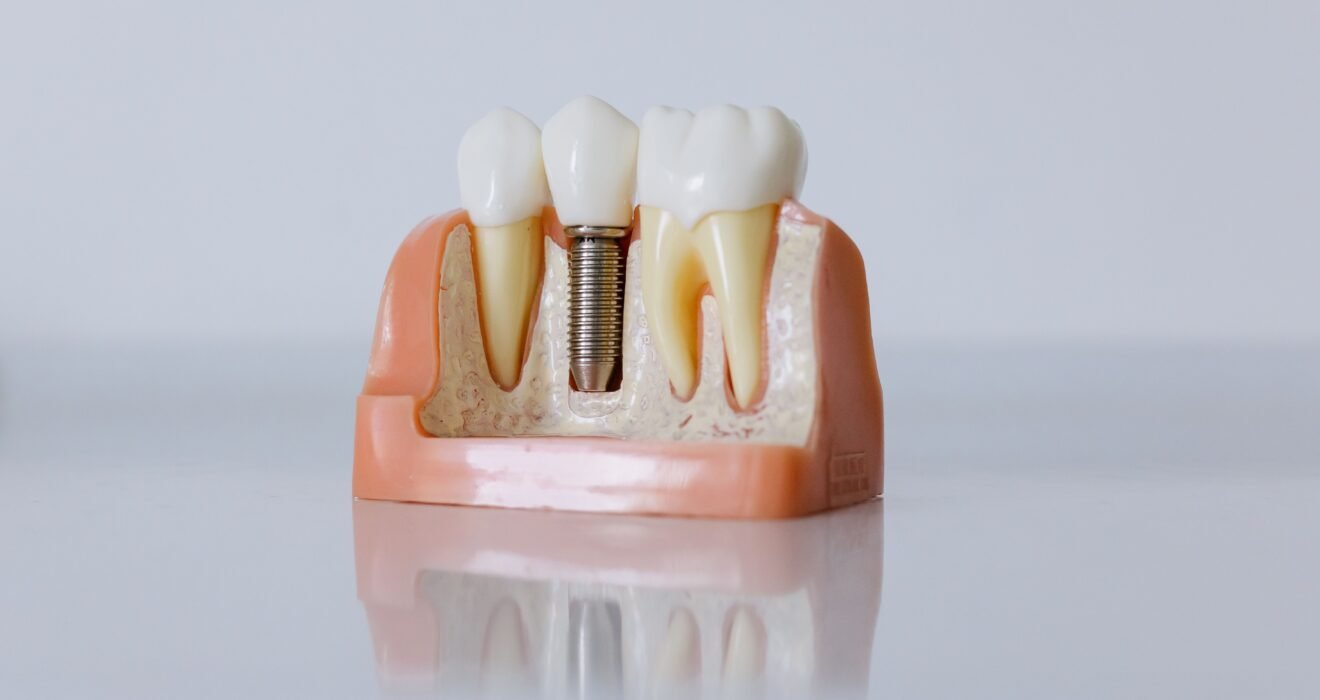
Types of dental implants available in Coimbatore
The loss of a tooth could have many adverse effects other than aesthetic ones. Some of the most common issues that may arise due to tooth loss include problems in chewing food, changes in speech, movement of nearby teeth, and lack of self-confidence. Dental implants provide a stable method for replacing missing teeth through the placement of an implant fixture as an artificial root with a crown, bridge, or denture.
Those who are looking for the types of dental implants clinic in Coimbatore should start by finding out about their options. Patients living in Sungam Junction, Ramanathapuram, Race Course, and other areas of Coimbatore can get a personal evaluation at Skyc Line Dental in PNR Layout, Trichy Road, Sungam.
The address of Skyc line Dental is no. 12, PNR Layout, Trichy Road, Behind China Valley and Eye Foundation, Sungam, Coimbatore.
What Are Dental Implants?
Dental implant refers to the device surgically installed into the mouth to act as the tooth root where a tooth is missing. The implant will be installed into or beside the jawbone before attaching the abutment and dental restoration to the area where the tooth used to be.
This restoration could either be crowns, bridge or dentures depending on the number and location of the missing teeth. The implant could either be made of titanium or ceramic.
Main Types of Dental Implants Available in Coimbatore
The term “implant type” can refer to the way an implant is positioned, the material used, or the number of teeth it supports. A dental professional therefore considers the complete clinical situation rather than selecting an implant based on one feature alone.
1. Endosteal Implants
Endosteal implants are the most commonly discussed conventional implant type. They are placed into the jawbone and can support individual crowns, bridges, or implant-supported dentures.
The American Dental Association defines an endosteal implant as a device placed into the alveolar and basal bone of the upper or lower jaw.
Endosteal implants may be considered when:
- Sufficient healthy jawbone is available
- One or more teeth are missing
- The patient wants a fixed tooth replacement
- A suitable foundation exists for implant placement
Bone grafting may sometimes be recommended when bone loss has reduced the available support.
2. Subperiosteal Implants
Subperiosteal implants sit on or over the jawbone rather than being placed conventionally inside the bone. The ADA describes these as implants that conform to the superior surface of an edentulous area of alveolar bone.
They have a more specialized role and may be considered in complex cases involving substantial bone loss where conventional approaches are not suitable.
Modern custom subperiosteal systems have also been described for patients with severe jawbone deficiencies.
3. Zygomatic Implants
Zygomatic implants are specialized implants used primarily in selected cases involving significant bone loss in the upper jaw. Instead of relying entirely on the severely resorbed upper jawbone, these implants obtain anchorage in the zygomatic bone, or cheekbone.
They are not the routine solution for every patient with missing teeth. Assessment by an appropriately trained dental professional is essential because treatment planning is more complex than conventional implant placement.
4. Single-Tooth Implants
A single-tooth implant replaces one missing tooth with an implant-supported crown.
This approach can be useful when only one tooth is missing and the neighbouring teeth are otherwise suitable. Unlike a conventional tooth-supported bridge, an implant-supported replacement does not require the adjacent teeth to serve as the primary support.
A typical single-tooth implant consists of:
- Implant fixture
- Abutment
- Dental crown
The implant first needs time to integrate with the surrounding bone before the definitive restoration is completed.
5. Implant-Supported Bridges
When several neighbouring teeth are missing, placing an implant for every individual tooth may not always be necessary. Two or more implants can sometimes support a bridge replacing multiple missing teeth.
This can provide a fixed alternative to a removable partial denture when clinically appropriate.
The number and position of implants depend on the location of the missing teeth, bone condition, bite, restoration design, and other clinical factors.
6. Full-Arch Implant Solutions
Patients who have lost most or all teeth in an upper or lower arch may be candidates for a full-arch implant-supported restoration.
A full-arch approach uses multiple implants to support a complete set of replacement teeth. Depending on the treatment plan, four to six implants may be used to support a full arch, although the exact number varies by individual case.
Full-arch treatment may help patients who struggle with loose conventional dentures and want a more stable fixed or implant-retained solution.
Dental Implant Materials: Titanium vs Ceramic
Another way to classify implants is by material.
Titanium Implants
Titanium is widely used for dental implants because of its established clinical use and biocompatibility. It forms a stable relationship with surrounding bone during osseointegration.
Ceramic Implants
Ceramic implants, including zirconia-based options, are also available in selected situations. Zirconia is a biocompatible ceramic material used in dentistry and is known for its tooth-coloured appearance.
Material selection should be based on clinical requirements rather than appearance alone.
How Is the Right Implant Type Selected?
There is no single implant type that is suitable for every patient. A detailed examination helps determine the appropriate approach.
The assessment may consider:
- Number and position of missing teeth
- Jawbone quantity and quality
- Gum health
- Existing dental conditions
- Bite and tooth alignment
- Medical history
- Oral hygiene
- Desired type of restoration
- Long-term maintenance requirements
Dental imaging may also be required for treatment planning. The ADA recognizes diagnostic imaging, including radiographs and other imaging techniques, as part of dental diagnosis and planning.
What Makes Implant Treatment More Comfortable?
Many patients delay implant treatment because they are worried about pain. Modern dental care can make the procedure considerably more comfortable through appropriate local anaesthesia, careful surgical planning, and modern technology.
At Skyc Line Dental, the focus includes:
- Painless treatments: Appropriate anaesthesia and careful clinical techniques help improve patient comfort.
- Modern technology: Contemporary diagnostic and treatment technology supports accurate assessment and planning.
- Transparent pricing: Clear discussions about treatment requirements and costs help patients understand their options before proceeding.
The actual treatment timeline varies. After implant placement, osseointegration—the process in which bone integrates with the implant—can take several months before the final restoration is placed.
Why Choose Skyc Line Dental for Dental Implants in Coimbatore?
Choosing an implant clinic involves more than comparing treatment prices. Patients should consider diagnosis, treatment planning, technology, communication, comfort, and follow-up care.
Skyc Line Dental serves patients around Sungam, Trichy Road, Ramanathapuram, Sungam Junction, and Race Course, making it conveniently positioned for patients seeking dental treatment in central Coimbatore.
The clinic emphasizes:
- Patient-focused, painless dental treatment
- Modern dental technology
- Transparent pricing
- Individual treatment planning
- Clear explanation of available options
A consultation allows the dental team to determine whether an implant is appropriate and which treatment approach best suits the patient’s dental condition.
Frequently Asked Questions
1. What are the main types of dental implants available in Coimbatore?
Common categories include endosteal and subperiosteal implants, while zygomatic implants are specialized options for selected cases involving severe upper-jaw bone loss. Implants can also be classified according to the restoration they support, such as single-tooth implants, implant bridges, and full-arch solutions.
2. Are dental implants painful?
Implant placement is performed under anaesthesia, so patients should not feel pain during the surgical procedure. Some soreness, swelling, or discomfort can occur during recovery. Skyc Line Dental focuses on painless treatments and patient comfort throughout the procedure.
3. How can patients find out which implant is suitable in Coimbatore?
The appropriate implant depends on the patient’s bone condition, gum health, number of missing teeth, bite, restoration requirements, and general dental health. A professional examination and appropriate imaging are needed before finalizing a treatment plan.
Book a Dental Implant Consultation in Coimbatore
Choosing the right kind of dental implant in Coimbatore will be easy with the knowledge of the different types of dental implants available, but the best one can only be chosen after undergoing an individual dental examination.
Those living around PNR Layout, Trichy Road, Sungam, Sungam Junction, Ramanathapuram, and Race Course can rely on Skyc Line Dental for a patient-oriented practice that uses pain-free treatments, up-to-date technology, and clear charges.
Contact Skyc Line Dental on +91 73392 53535 for an appointment, or come to our clinic at PNR Layout, Trichy Road, Sungam, Coimbatore.
Disclaimer: The information provided in this blog post is for general informational purposes only. While we strive to keep the content accurate and up to date, we do not guarantee its completeness, reliability, or accuracy. Any actions you take based on this information are strictly at your own risk. We are not responsible for any losses, damages, or inconveniences that may arise from the use of this blog. For professional advice, please consult a qualified expert.

1 Comment